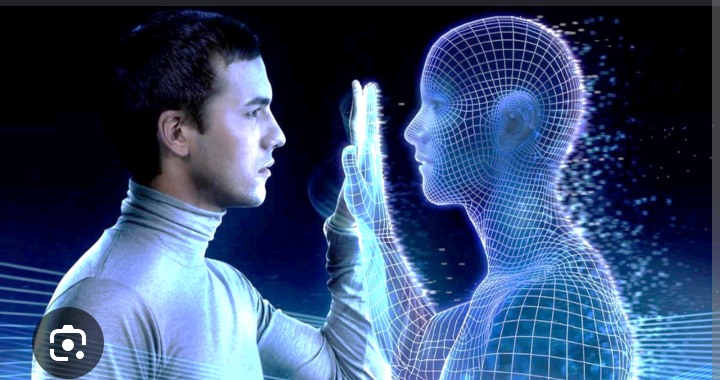

Digital twins are virtual models of real-world entities. Traditionally, they represented machines, buildings, or industrial systems using real-time data. Increasingly, the concept is being applied to people: AI systems trained on an individual's writings, voice, videos, preferences, and behavior to simulate how they communicate or make decisions.
The idea of AI immortality refers to preserving a person's digital presence—or creating an AI that continues interacting after they die. While compelling, it raises complex ethical, legal, and social questions.
Potential Benefits
Preserving knowledge: Experts, teachers, and researchers could leave interactive archives of their expertise.
Historical preservation: AI models could help future generations engage with historical figures or cultural leaders in more dynamic ways than traditional records.
Personal legacy: Families may value interactive memories based on a loved one's recorded stories, voice, or experiences.
Healthcare and education: Digital twins could simulate patient responses or provide personalized tutoring based on accumulated knowledge.
Major Risks
- Identity and Authenticity
A digital twin may sound convincing without actually reflecting what the real person would think or say.
Questions include:
Who decides what information trains the model?
How are errors or fabricated responses distinguished from authentic memories?
Could people mistake an AI simulation for the person's actual beliefs?
- Consent
Consent is one of the biggest ethical challenges.
Consider:
Did the individual explicitly agree to creating a digital twin?
Can consent be withdrawn?
Should relatives be able to authorize one after someone's death?
These questions become even more difficult when AI systems improve long after the original person is gone.
- Privacy
Digital twins often require enormous amounts of personal data:
Emails
Messages
Photos
Voice recordings
Medical history
Financial information
If compromised, this data could enable identity theft, impersonation, or highly personalized scams.
- Emotional Effects
For grieving families, interacting with an AI version of a loved one may:
Provide comfort.
Delay acceptance of loss.
Create emotional dependence.
Blur the distinction between memory and simulation.
Research on this area is ongoing, and experiences vary widely.
- Manipulation
A company controlling a digital twin could potentially:
Insert advertising.
Alter responses over time.
Influence opinions.
Monetize interactions.
Safeguards would be needed to ensure transparency about how responses are generated and whether the model has changed.
- Security
If attackers gain access to a digital twin, they might:
Impersonate the individual.
Produce convincing phishing attacks.
Authorize fraudulent transactions using cloned voices or behavioral patterns.
As AI-generated media becomes more realistic, robust authentication methods become increasingly important.
- Legal Questions
Many legal systems are still developing rules for AI replicas.
Open questions include:
Who owns a person's digital identity after death?
Can an AI inherit copyrights or intellectual property?
Who is liable if a digital twin causes harm?
How long should digital replicas exist?
Different countries may answer these questions differently.
Is AI Immortality Really "Immortality"?
Most experts argue that current AI does not preserve consciousness or subjective experience. Instead, it creates a statistical model capable of generating responses that resemble a person's communication style.
From this perspective, AI immortality is better understood as continuing a person's digital representation, not extending their consciousness.
Possible Safeguards
Organizations developing personal digital twins could adopt measures such as:
Explicit informed consent before creation.
Clear labeling that users are interacting with an AI simulation.
Strong encryption and access controls for personal data.
Regular audits for bias, accuracy, and misuse.
The ability to deactivate or delete a digital twin when appropriate.
Legal frameworks defining ownership, inheritance, and accountability.
Looking Ahead
As AI systems become more capable, digital twins may evolve from simple chatbots into sophisticated assistants that can emulate aspects of an individual's communication and expertise. This could transform education, healthcare, customer service, and personal legacy. At the same time, it heightens concerns about privacy, identity, misinformation, and emotional well-being.
The central challenge is unlikely to be whether AI can perfectly recreate a person, but rather how society governs technologies that can convincingly imitate human behavior while respecting autonomy, consent, and trust.